Step-by-Step Marketing Automation Strategies for Sustainable Success
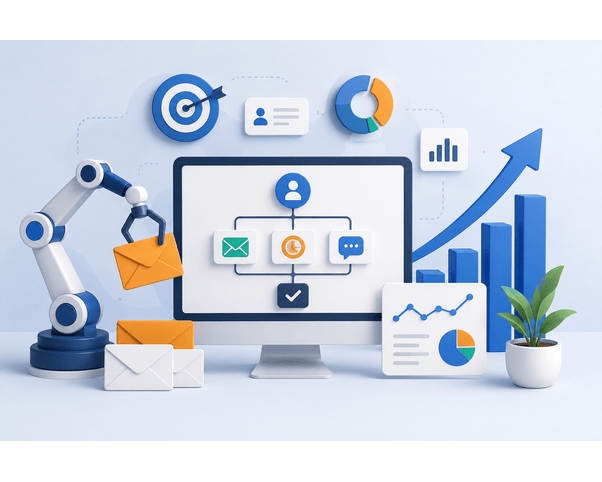
A good marketing automation plan is no longer simply scheduling emails. Businesses are using automation today to enhance customer experience, speed up lead qualification and develop a more efficient Marketing Campaign Workflow that drives long-term success.
The problem is many organizations automate prematurely, without the right framework. This typically leads to fragmented efforts, poor engagement and lost marketing spend. The key to sustainable success lies in creating automation based on consumer behavior, organizational objectives and scalability.
HeadToNet is an organization that facilitates smart automation systems that result in efficient operations and steady digital growth within an organization.
6 Steps Marketing Automation Strategies
1. Define Clear Business and Marketing Goals
In any automation process, organizations require a clear set of objectives. Automation should be about supporting larger business results, not only replacing manual tasks.
Common goals are:
- Growing qualified leads
- Increase customer retention
- Improving email engagement
- Reduce customer acquisition cost
- Increase sales pipeline transparency
- More repeat purchases
Businesses can audit their marketing automation workflows to determine if they’re producing significant outcomes through the use of measurable KPIs.
2. Understand and Segment Your Audience
Segmentation of the audience is one of the most significant bases of a successful strategy of b2b marketing automation. Customers have distinct interests, behaviors and purchase stages.
Segmentation can be performed on:
- Size of industry or enterprise
- History of Purchases
- Activity on the website
- Email engagement
- Location geography
- Interests in products
- Customer Lifecycle Stages
The more relevant the messaging, the greater the probability for engagement and conversion.
Behaviour-Based Segmentation
Modern automation technologies enable organizations to initiate campaigns based on client activity.
Examples:
- Download a resource
- Viewing the pricing page
- Cart abandonment
- Watching a webminar
- Clicking on certain product links
Behaviour-driven automation enhances advertising timing and message relevancy.
3. Choose the Right Marketing Automation Platform
The platform organizations choose will have a direct impact on scalability, reporting capabilities and workflow flexibility.
Key features to look for include:
- Integrate with CRM
- Email Automated Marketing
- Scoring leads
- Workflow customization
- AI analytics
- Multi-channel campaign management
- Dashboards for reporting
- Mapping the customer journey
Businesses should be looking at systems which could scale with them as they grow in future rather than just addressing their short-term needs.
4. Build High-Converting Automated Workflows
Processes which are automated make it easy for companies to ensure consistency in their messages throughout the buyer’s journey.
Lead Nurturing Campaigns
Lead nurturing processes take prospects from awareness to purchase through personalized communications.
Examples include:
- Campaigns welcoming new leads
- Educational drip campaigns
- On-boarding emails
- Recommendation emails
- Follow-up webinar
Abandoned Cart Automation
The abandoned cart campaign is aimed at retrieving lost sales opportunities.
A good abandoned cart sequence generally has:
- Reminders
- Limited period only
- Benefits of the product
- What other customers say
- Easy links to checkout
Customer Retention Automation
Automation for retention builds long-term customer relationships.
Some examples are:
- Loyalty program emails
- Re-engagement campaigns.
- Subscription renewal notices
- Request for Feedback
- Anniversary/Milestone Bonuses
Retention automation is usually cheaper than continually gaining new clients.
5. Personalise Communication at Scale
Personalisation is one of the key differentiators in current digital marketing. Customers want relevant information, not generic advertising from firms.
As far as personalization is concerned, it is deemed a vital element of marketing automation:
- Open rates
- Click rates
- Conversion rates
- Satisfaction of clients
- Brand loyalty
Examples of Personalised Automation
It enables customization of:
- Subject lines
- Product suggestions
- Landing pages
- Email copy
- Discounts
- Content recommendations
Marketing automation solutions incorporating Artificial Intelligence technology are even able to study customer behavior and predict future interaction opportunities.
6. Monitor, Analyse, and Optimise Continuously
Marketing automation is more than just installing software. In order to have success, you should keep monitoring and optimizing your process regularly.
Companies ought to regularly analyze:
- Email open rates
- Performance conversions
- Customer retention metrics
- Automation within workflows
- Quality of leads
- Campaign return on investment
A/B Testing for Better Performance
A/B testing assists companies in improving their campaign performance through comparative analysis of:
- Email subject lines
- Call to action buttons
- Layouts of emails
- Sales pages
- Times of delivery
- Audience segmentation
Optimization ensures that automation tools remain efficient despite changes in preferences among clients.
The Role of AI in Marketing Automation
Artificial Intelligence has helped transform automation as it has enabled companies to make sound decisions with their marketing strategies.
What AI-driven automation can do for your company:
- Predict customer actions
- Improve lead scoring
- Generate content ideas
- Campaign personalization
- Identify new sales leads
- Time campaigns effectively
Use of AI-powered automation can enhance accuracy and efficiency in business operations.
Must-Have Technologies for Full Marketing Automation
To establish a scalable automation environment, organizations often require:
- CRM software
- Email marketing software
- Analytics & reporting tools
- Customer data platform (CDP)
- Personalization tools powered by AI
- Landing Page Tools
- Sales enablement software
Integrated technology stacks boost data visibility and consistency in customer journey.
How HeadToNet Supports Marketing Automation Success
HeadToNet helps companies build unique automation solutions that increase operational efficiency, lead management, customer engagement, and long-term scalability.
Businesses can combine automation strategy, analytics, workflow development and customer journey optimisation to build systems that enable sustainable digital growth.
Final Thoughts
A good marketing automation approach is not about automating everything. It’s about establishing smarter systems that promote customer engagement, drive efficiency and lead to sustainable corporate success.
Companies that lead with customer journeys, personalization, analytics and scalable workflows have a much better chance of long-term marketing success.
StackAudit Offer